
Silk. The word itself evokes luxury, elegance, and timeless sophistication. But did you know that silk isn’t just one fabric? It’s a universe of textures, weights, and weaves, each with its own character, story, and purpose. Let’s journey into the world of silk and explore the unique properties of its many types, from whisper-light chiffon to regal duchess satin.
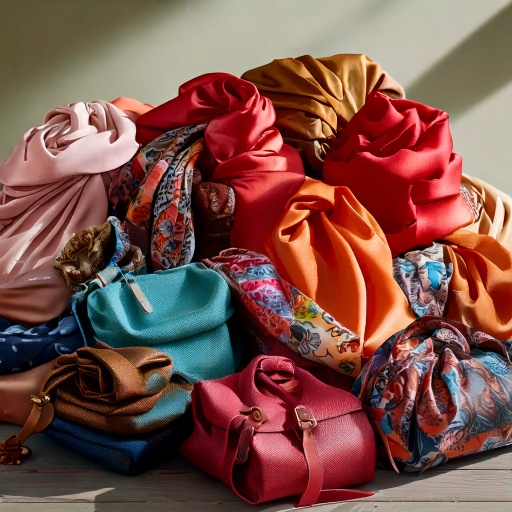
The Classics: Silk Types You Should Know
- Mulberry Silk: The Gold Standard
- What it is: The world’s most popular silk, produced by the Bombyx mori silkworms fed exclusively on mulberry leaves.
- Why it’s special: Known for its unmatched smoothness, durability, and hypoallergenic properties, mulberry silk accounts for nearly 90% of global silk production.
- Best used for: Everything! From luxurious apparel and bedding to high-end scarves and accessories.
- Fun Fact: Mulberry silk has a natural shimmer that’s hard to fake, making it the first choice for discerning buyers.

- Silk Charmeuse: The Hollywood Darling
- What it is: A silk fabric with a satin weave, featuring a glossy front and a matte back.
- Why it’s special: Charmeuse has a buttery softness and a glamorous sheen that makes it perfect for sensual nightwear, evening gowns, and pillowcases.
- Best used for: Draped garments, scarves, and lingerie.
- Fun Fact: Many celebrities rely on charmeuse pillowcases for wrinkle-free beauty sleep (yes, that’s a thing).
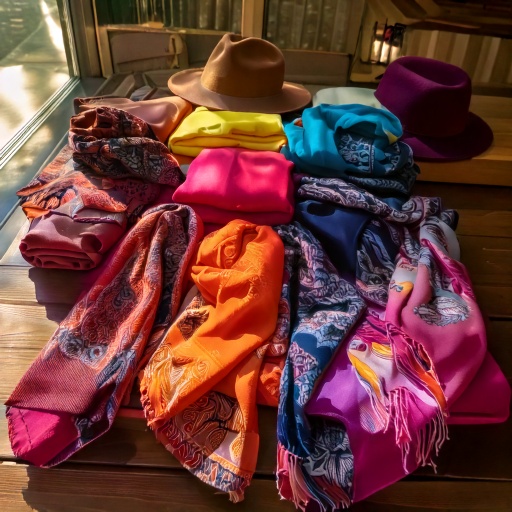
- Silk Twill: The Everyday Luxe
- What it is: A silk fabric with a distinctive diagonal rib pattern, created by its twill weave.
- Why it’s special: Twill silk is highly durable and resists wrinkles, making it the go-to fabric for silk ties, scarves, and even upholstery.
- Best used for: Classic square scarves, tailored blouses, and accessories like ties.
- Fun Fact: Some of the most iconic Hermès scarves are made from silk twill, showcasing its ability to hold vibrant prints beautifully.
- Habotai Silk: The Lightweight Champion
- What it is: Also called “China silk,” habotai is lightweight, soft, and slightly translucent.
- Why it’s special: Its affordability and versatility make it a favorite for linings, blouses, and flowing scarves.
- Best used for: Summer scarves, lightweight dresses, and kimono linings.
- Fun Fact: Habotai’s medium-weight weave makes it perfect for enhancing vibrant colors in prints.
- Dupioni Silk: The Textured Beauty
- What it is: A strong, double-threaded silk with a crisp texture and an irregular, slubbed surface.
- Why it’s special: The natural imperfections in dupioni add character and a unique texture, ideal for formalwear and home décor.
- Best used for: Wedding gowns, tailored suits, throw pillows, and draperies.
- Fun Fact: Dupioni silk’s shot colors—achieved by weaving threads of different colors—create an iridescent effect that shifts under light.
- Chiffon Silk: The Ethereal Whisper
- What it is: A sheer, lightweight fabric with a matte finish, made from twisted silk yarns.
- Why it’s special: Its weightlessness and soft drape make it ideal for layering and creating flowy, romantic silhouettes.
- Best used for: Evening dresses, scarves, and veils.
- Fun Fact: Chiffon literally translates to “rag” in French—a far cry from the elegance it brings to couture gowns today.
- Organza Silk: The Sculptor’s Dream
- What it is: A stiff, sheer silk fabric with an open weave that holds its shape beautifully.
- Why it’s special: Its crisp texture adds structure to formalwear and decorative pieces.
- Best used for: Bridal veils, overlays, and statement accessories.
- Fun Fact: Organza’s stiffness allows for creative play with light and shadow, making it a favorite for avant-garde designers.
- Eri Silk: The Compassionate Fabric
- What it is: Also known as “Ahimsa silk” or “Peace silk,” Eri silk is made without harming silkworms, allowing them to hatch naturally.
- Why it’s special: Its wool-like texture and eco-friendly production process appeal to sustainable fashion enthusiasts.
- Best used for: Shawls, scarves, and eco-conscious apparel.
- Fun Fact: Eri silk is native to India’s northeast and is cherished for its ethical production.
- Muga Silk: The Golden Treasure of Assam
- What it is: A rare, golden-hued silk found only in Assam, India.
- Why it’s special: Muga silk is incredibly durable, with a natural golden sheen that intensifies with age.
- Best used for: Traditional Indian attire like mekhela chadors and sarees, as well as heirloom pieces.
- Fun Fact: Muga silk was once reserved exclusively for royalty due to its rarity.
Silk’s Many Talents: Applications Across Industries
- Fashion: From couture gowns to everyday scarves, silk dominates the wardrobe.
- Home Décor: Think plush cushions, elegant drapes, and luxurious bedding.
- Accessories: Ties, bags, and even wallets are elevated with a touch of silk.
- Beauty and Wellness: Silk pillowcases and eye masks are revered for their skin and hair-friendly properties.
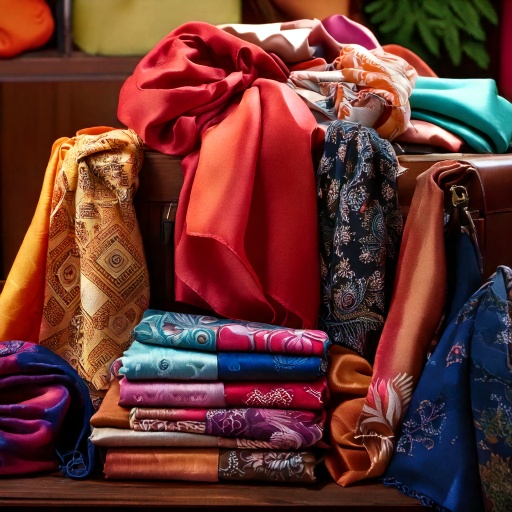
Why CMI Global is Your Silk Destination
At CMI Global, we understand that silk is more than a fabric—it’s an experience. With a network of 180+ manufacturers, weavers, and artisans, we ensure every piece is crafted ethically and to perfection. From mulberry silk stoles to dupioni sarongs, our collection is a testament to the versatility and luxury of silk.
Fun Fact:
Did you know silk is one of the strongest natural fibers, rivaling steel in tensile strength (when compared by diameter)? No wonder it has been treasured for over 4,000 years!
CTA:
Ready to wrap yourself in luxury? Explore CMI Global’s curated silk collection and experience the magic of this timeless fabric.
Blog 1: “Momme Madness: The Silky Secret to Buying Fabric Like a Pro”
Content:
Ever browsed silk online and felt personally attacked by the word “momme”? If you’re wondering whether it’s a dessert, a new TikTok trend, or something you should be scared of—relax. Momme (pronounced moh-mee) is just the silk world’s weight class, like bantamweights and heavyweights in boxing.
Here’s the silky scoop: Momme tells you how much silk thread is in your fabric. Think of it like thread count for cotton sheets but far more sophisticated. A higher momme number equals denser silk. Imagine the difference between a featherlight chiffon scarf at 6mm and a gown-worthy duchess satin at 30mm.
But wait, there’s more! Meet GSM (grams per square meter)—silk’s metric cousin. While momme measures the weight of 100 yards of silk 45 inches wide, GSM measures the weight of a single square meter. The math is easy (no calculators required):
1 momme = 4.34 GSM.
Why Momme Matters:
- Durability: A 12mm scarf may feel like a whisper against your skin, but it’s more delicate. A 19mm charmeuse scarf? Built for daily glamour.
- Luxury Feel: Heavier momme silk drapes like a dream—perfect for making a statement without saying a word.
- Price Tag: More threads per inch = more luxury = more digits on the price tag.
Most silk scarves fall in the 12mm–16mm range, but if you’re looking for something utterly luxurious, go for 22mm charmeuse—silk that feels like it was spun by angels.
Where CMI Global Comes In:
At CMI Global, we believe silk is more than just a fabric; it’s an experience. Our scarves and sarongs, typically crafted in the 13mm–22mm range, are designed to balance elegance with practicality. With triple assurance checks and sourcing from 180+ ethical artisans, you know every thread is woven with integrity.
Fun Fact:
The world’s lightest silk is 5mm tulle, often used in bridal veils. The heaviest? 40mm silk velvet, luxurious enough to make royalty jealous.
Whether you’re new to silk or a seasoned collector, understanding these measurements is your gateway to smarter (and silkier) purchases.
CTA:
Ready to experience silk that’s as refined as your taste? Shop CMI Global’s curated collection of scarves, stoles, and sarongs today.